.svg?w=300&h=85)
When buying silk, we’re often drawn to “sheen/drape,” while overlooking keywords tied to skin health and the environment: OEKO-TEX and sustainability. This article explains them in plain language to help you make a more confident, responsible purchase.
Before You Buy Silk, Learn These Two Terms: OEKO-TEX and Sustainable Silk
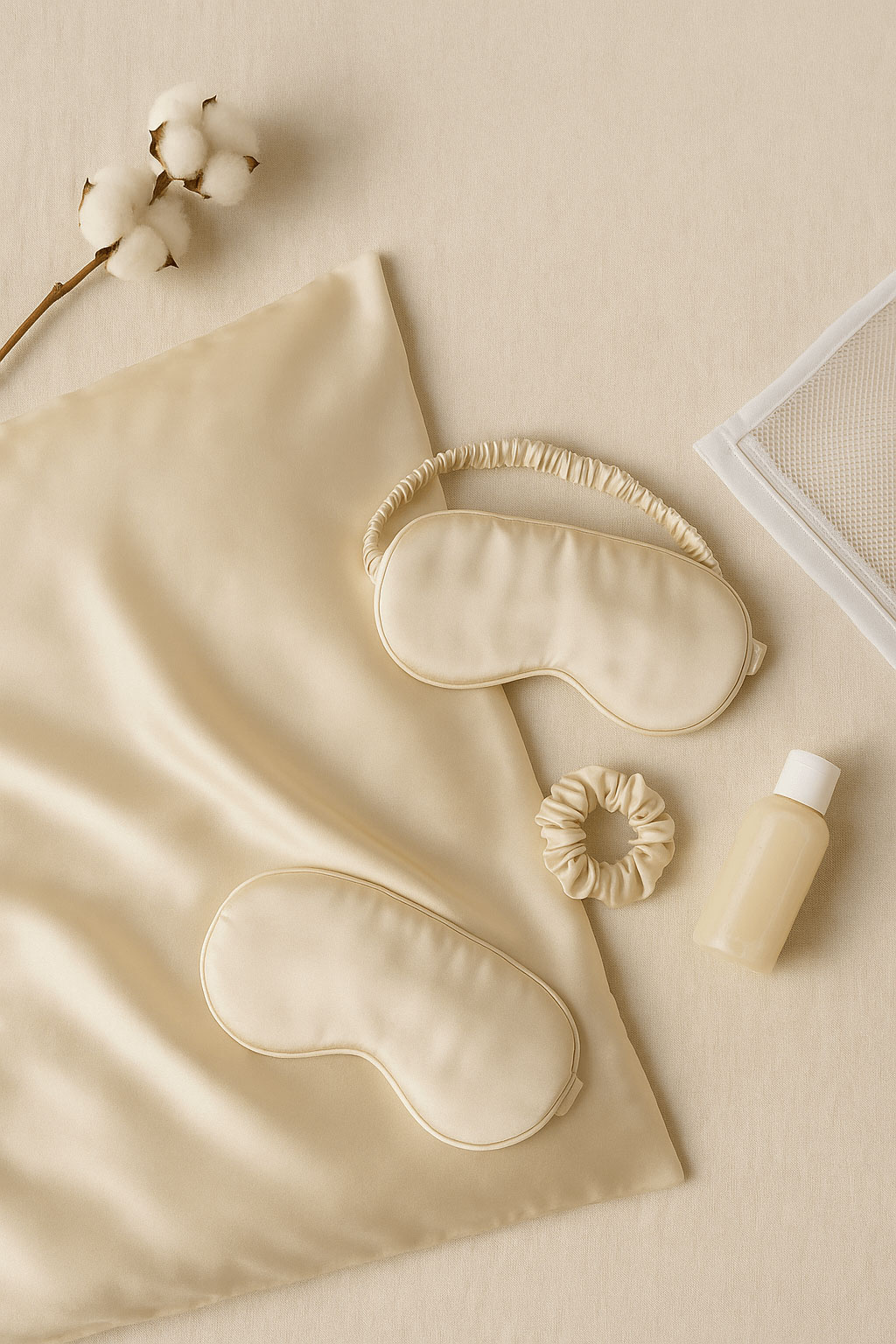
- Safer next to skin: Items like sleepwear, pillowcases, and eye masks stay in close contact with your skin—how “hazardous substances” are controlled matters directly.
- Better for the planet: From sericulture to dyeing/finishing, water and energy use can be significant; better practices = a smaller footprint.
- More transparency: Once you understand common industry terms, you’re less likely to be swayed by fancy-sounding marketing.
What Is OEKO-TEX (1-Minute Overview)
OEKO-TEX is an international testing/evaluation system for textiles and leather that focuses on two things: hazardous substance control and more responsible production. You may encounter these labels:
- STANDARD 100: Limits on harmful substances for finished products and components (fabric/thread/trims); tighter requirements for next-to-skin categories.
- MADE IN GREEN: Builds on safety requirements and emphasizes production transparency and traceability.
- STeP / ECO PASSPORT: Focus on factory management and chemical compliance, covering wastewater, occupational health, and more.
What Exactly “Sustainable Silk” Means
It’s not a single checkbox, but a full life-cycle playbook:
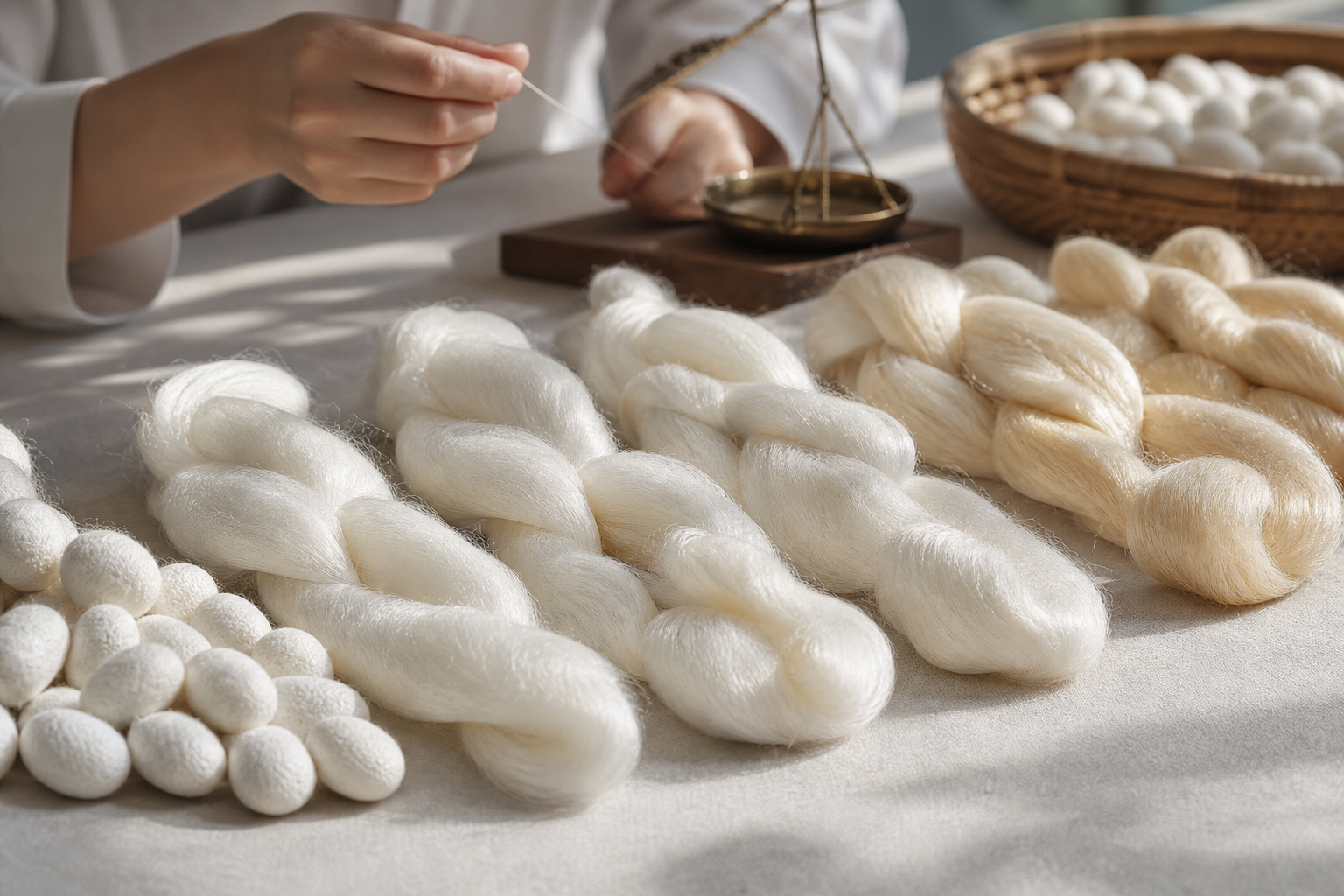
- Raw material & sericulture: Smarter water/soil management and biological control to reduce chemical inputs and ecological pressure.
- Cleaner dyeing/finishing: Proper chemical management plus wastewater treatment and heat recovery to cut impacts on water and air.
- Social & occupational health: Respect workers’ rights and ensure safe operations.
- Durability & easy care: Construction that withstands wear and washing, paired with clear care guidance.
- Pragmatic packaging: Protects storage and transport while avoiding unnecessary extras.
How to Judge Before Buying—Play It Safe
- Look for specifics: Clear notes on fabric type, momme weight, intended use, and key care points.
- Distinguish “material” vs “finished product” claims: Material compliance ≠ whole-product compliance—be extra cautious for next-to-skin items.
- Check durability details: Stitching, trims, and patterning designed for long-term wear.
- Start with essentials: Try core pieces first to get used to the feel and care, then expand to more scenarios.
Silk Care Essentials (Longer Wear = More Sustainable)
- Cold/warm water + neutral/silk-specific detergent; separate lights/darks; use a laundry bag and gentle cycle.
- Avoid high-heat drying and direct sun; lay flat or line dry; press on low with a cloth.
- Keep alcohol-based perfumes/hair sprays away; ensure items are clean and dry before storage.
Our Stance: Rational, Transparent, No Overpromises
We encourage focusing on comfort and durability, and we explain fabrics and care in plain language to support informed decisions. For packaging, we use sturdy and refined box structures to protect during transport and storage while avoiding over-packaging. If you have questions about any specific item, feel free to contact us anytime.
Note: This article is for consumer education only and does not constitute any third-party certification statement or promise.
Frequently Asked Questions (FAQ)
Are OEKO-TEX and “sustainability” the same thing?
No. OEKO-TEX focuses on hazardous substances and production compliance, while sustainability is a broader set of environmental and social practices.
Does “made with materials that meet relevant standards” mean the entire product is compliant?
Not necessarily. Material-level claims and finished-product claims are different. For next-to-skin categories, it’s wise to ask for more details.
If I just want to try first, what’s a safer choice?
Start with essentials such as a classic shirt or sleepwear. Pay attention to momme weight, construction, and care so you build good usage and care habits first.
Conclusion & Buying Tips
- ① Understand the terminology but don’t follow labels blindly;
- ② Prioritize durability and care—less hassle in the long run;
- ③ Start with essentials and expand to more scenarios over time.
For a deeper dive into silk, browse our other educational posts or reach out with your buying questions. TOWNSSILK hopes you’ll choose silk that’s not only beautiful and comfortable, but also mindful and rational.
Shop Now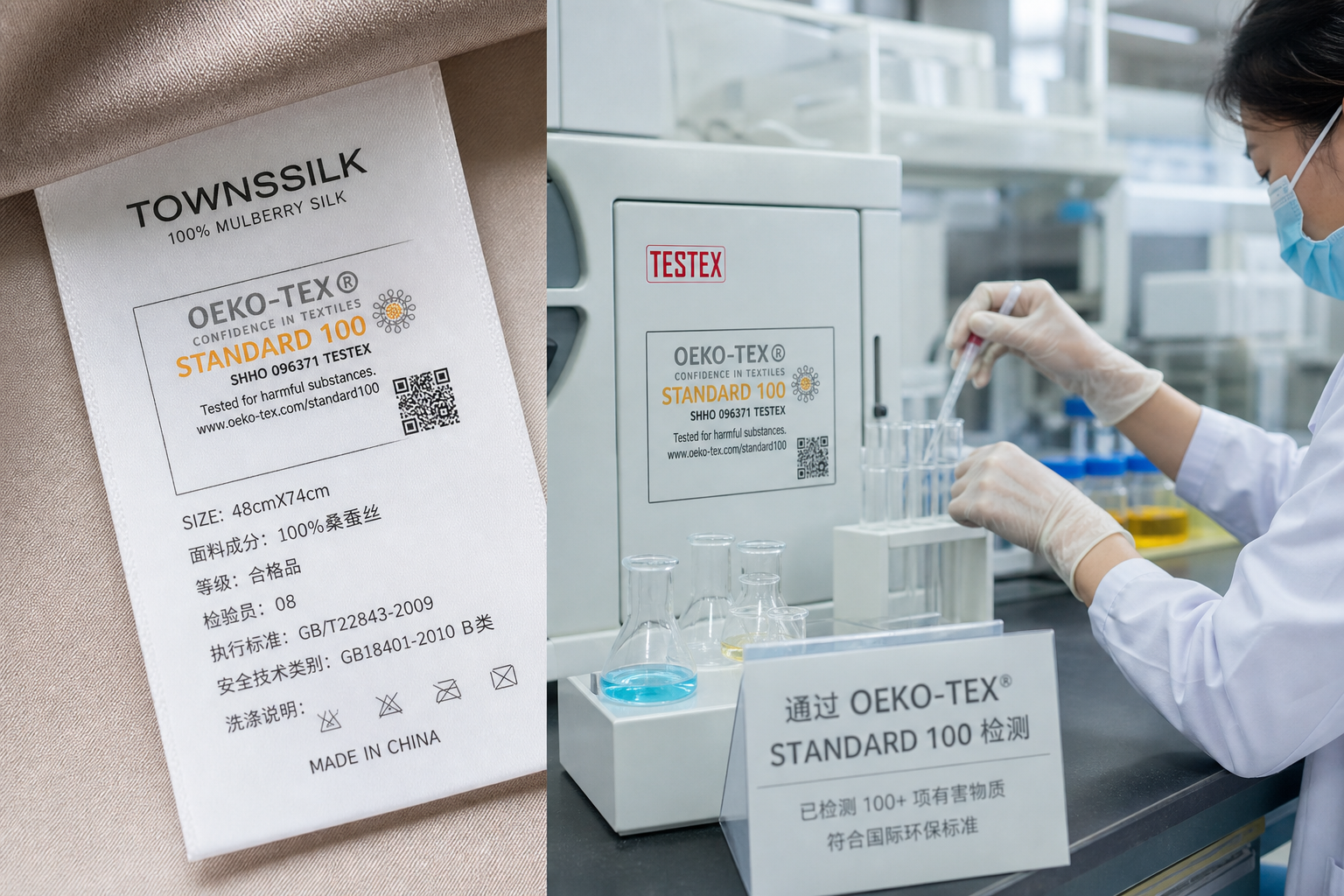
.png?w=1536&h=1024)