.svg?w=300&h=85)
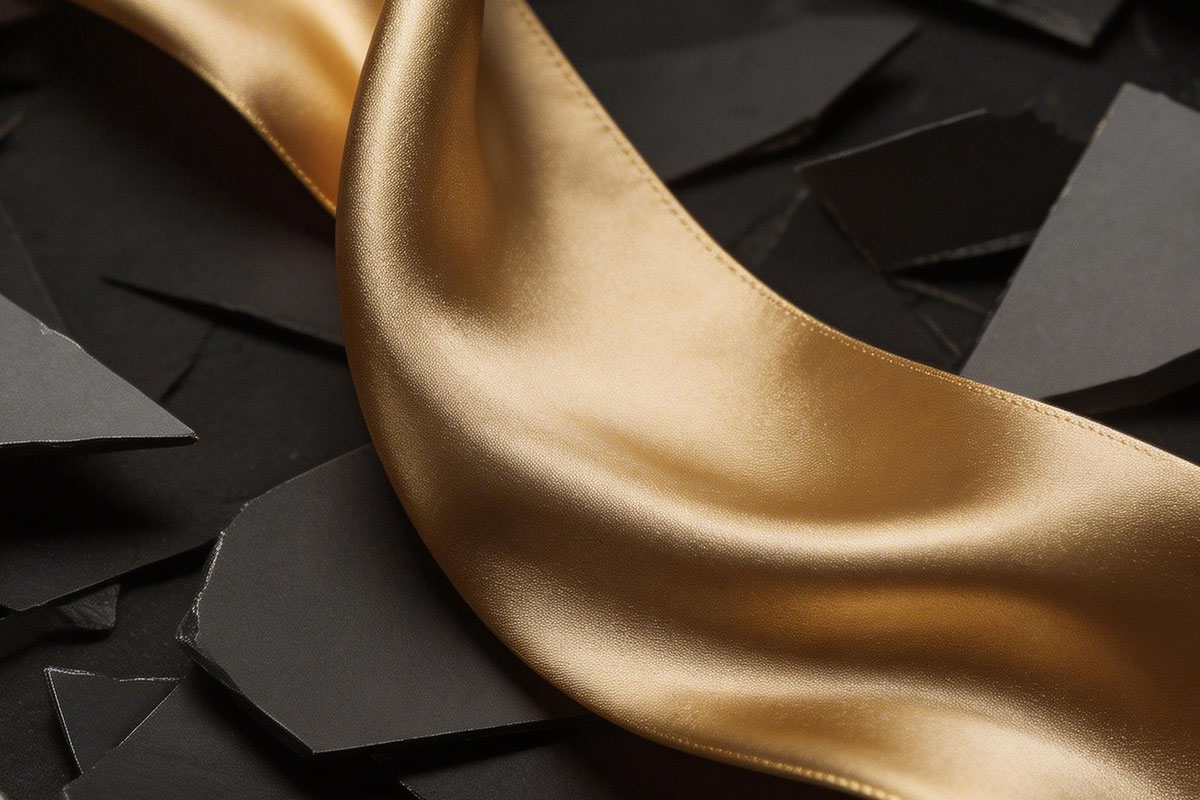
The global landscape remains uncertain—crude oil prices fluctuate with geopolitical tensions, and cross-border logistics and tariffs add new challenges.
If you're searching for a fabric that does not rely on petrochemicals yet offers lightness, skin-friendliness, and eco-conscious quality, the pure mulberry silk from TOWNSSILK deserves a place in your shopping cart.
This article presents concise data and industry insights to show why more sustainability-focused brands—especially TOWNSSILK—trust silk in turbulent times.
Raw Material Trends Amid Energy Fluctuations
- Oil influences fashion: Synthetic fiber prices rise and fall with global energy trends, increasing production costs for polyester and nylon.
- Shipping and tariffs: Extended logistics cycles in certain regions have added cost and time pressure to the fast fashion model.
- Consumers returning to nature: More people are now choosing natural materials that feel trustworthy and offer long-term value.
Natural Fibers = The Power of Authentic Stability
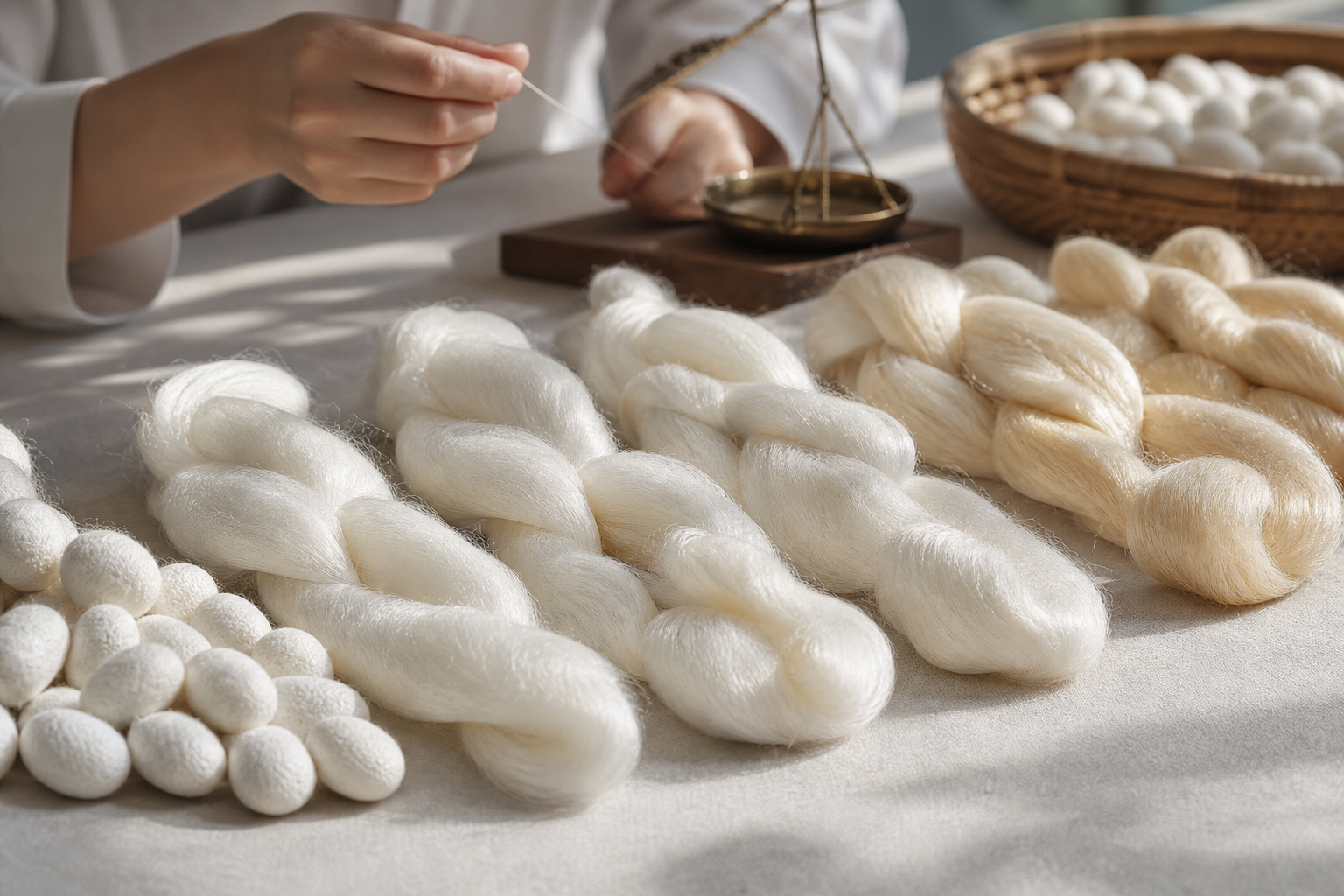
- Independent from petrochemical systems: Silk comes from mulberry farming and silkworm breeding, entirely separate from oil price fluctuations.
- All-season comfort: Micro air cavities in silk allow temperature regulation—cool in summer, warm in winter—about 15% more heat retention than cotton of similar weight.
- Low-irritation comfort: Silk contains 18 amino acids with a pH level close to human skin, making it naturally gentle for sensitive skin.
Sustainability from Mulberry Leaf to Garment — TOWNSSILK’s Practice
- Low-water mulberry cultivation: Growing mulberry trees consumes less water than cotton farming, easing pressure on agricultural water resources.
- Traceable raw materials: TOWNSSILK’s silk supply chain is fully traceable to silkworm farms, ensuring purity and quality.
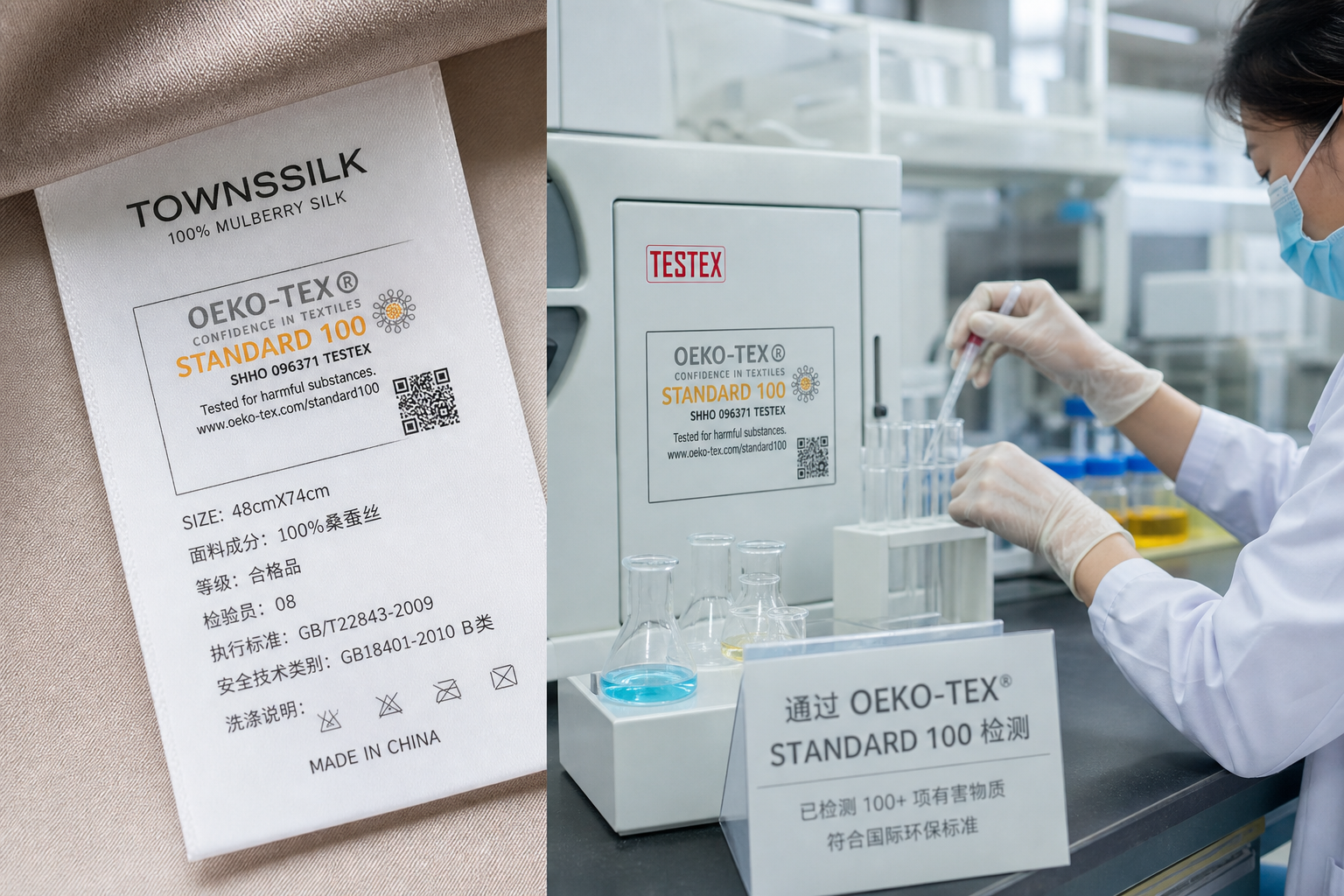
- Safe dyeing and finishing: The production process uses silk fabrics certified under OEKO-TEX® STANDARD 100, minimizing chemical residues.
- Minimal packaging: Recyclable packaging materials help reduce the environmental impact of transportation.
TOWNSSILK’s Trusted Strength in a Shifting World
- Stable supply chain: Silk originates from a sustainable agricultural system, maintaining independent raw material stability.
- Durable and long-lasting: Longer lifecycle reduces frequent purchases and material waste.
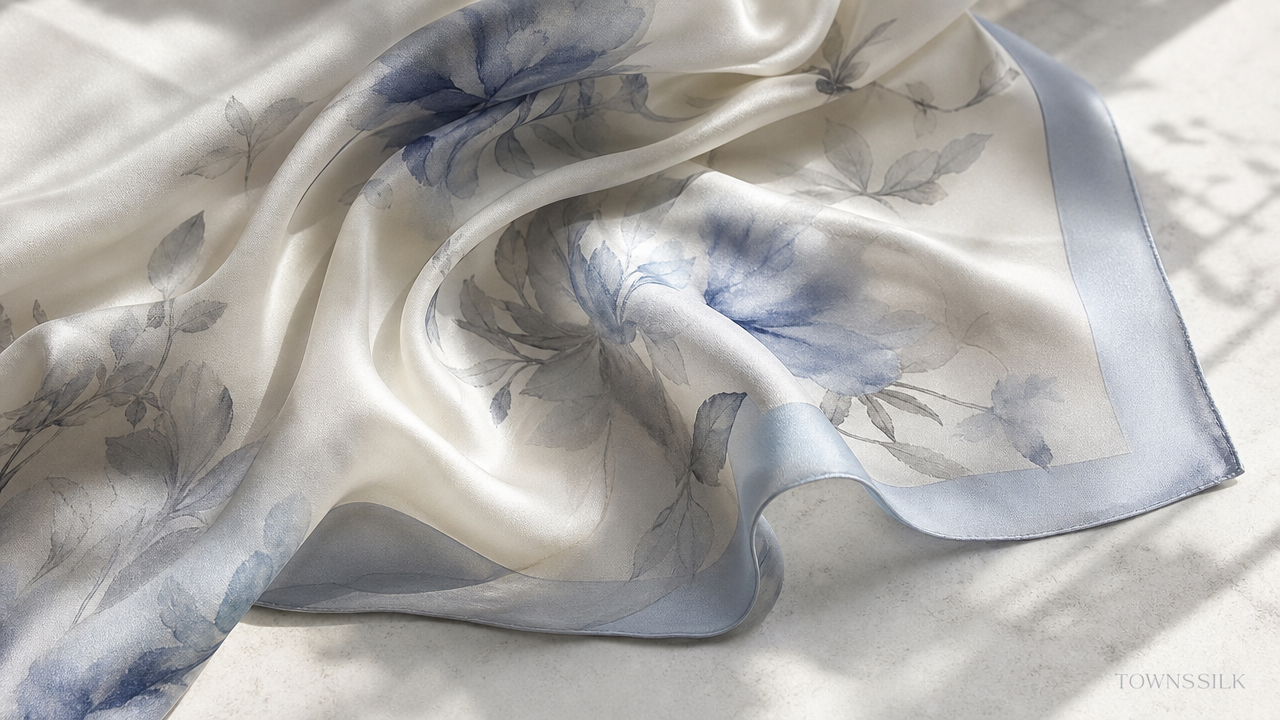
- Natural emotional value: Its softness, sheen, and warmth make silk a comforting choice during uncertain times.
Three-Step Silk Care Routine
- Wash gently with cold water and neutral silk detergent by hand or machine under the “Delicate” cycle.
- Press gently with a towel to remove excess water, lay flat to dry in shade, avoiding sunlight or tumble drying.
- Iron slightly damp silk at 110°C with steam and a cloth layer to restore its smooth texture.
FAQ
Will global events affect silk prices?
Silk production relies mainly on agricultural processes like silkworm breeding, making it less sensitive to energy price changes. Shipping costs may vary short-term, but overall supply stays stable.
What certifications do TOWNSSILK fabrics have?
All silk fabrics comply with OEKO-TEX® STANDARD 100 safety standards, ensuring no harmful chemical residues.
Is silk stuffy in summer?
No. Silk’s superior breathability and moisture absorption help regulate humidity, keeping skin comfortably fresh.
Conclusion
In this era of fluctuating energy and global trade, TOWNSSILK chooses to trust the stable power of nature.
The consistency of silk lies not only in its material essence but also in a lifestyle that values sustainability and long-term well-being.
Start with one silk piece from TOWNSSILK—bringing calm, balance, and authenticity to your wardrobe and your life.
.png?w=1536&h=1024)